Stay up to date – you can subscribe to our newsletter here

When we think of the Croatian Adriatic, we often picture idyllic scenes of small fishing boats, freshly caught fish, and picturesque ports. But behind the scenes of the Croatian fishing industry, a massive storm is brewing. At the recent 29th meeting of Croatian fishermen in Mali Lošinj, it became painfully clear: a traditional profession is fighting for its very survival.
The Scrapping Incentive: Money to Give Up
Instead of real prospects for the future, many Croatian fishermen are currently receiving one offer above all else from the government and the EU: the so-called “scrapping” program. They are given financial incentives to scrap their boats and leave the fishing industry for good. The environmental rationale is understandable, as the sea and the severely depleted fish stocks (especially sardines) are supposed to recover through longer closed seasons.
The pressing question that remained unanswered in Lošinj, however, is this: Who will actually still be going out to sea in the future if fish stocks have indeed recovered in a few years, but the fishermen and their fleets have long since disappeared?

Empty nets, climate change, and expensive fuel
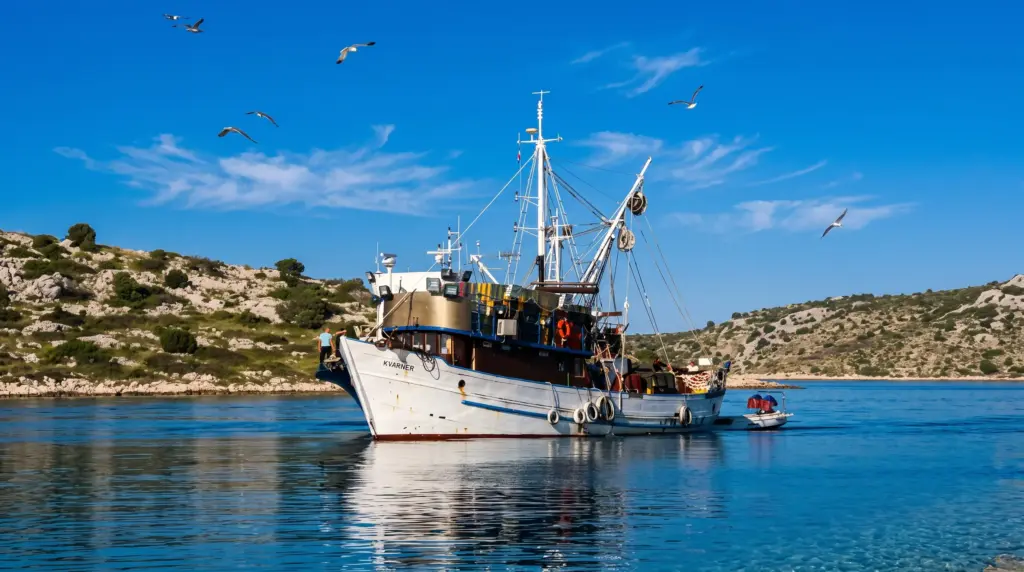
The challenges facing the remaining fishermen are overwhelming. Climate change is drastically altering the ecosystems in the Adriatic Sea, and nature’s unpredictable whims make catches uncertain. Although there have been unexplained periods in the past when sardines disappeared from the nets for months only to return later in record numbers, massive economic hurdles have now been added to the mix.
Skyrocketing fuel costs are eating into already meager profits. Three decades ago, back in the days of the kuna, fishermen pushed for government subsidies to drive the price per liter down to one kuna. Today, in the euro era and amid global crises, “blue diesel” for ships is regulated, but filling up the tanks still costs businesses a small fortune.
A Dramatically Shrinking Fleet
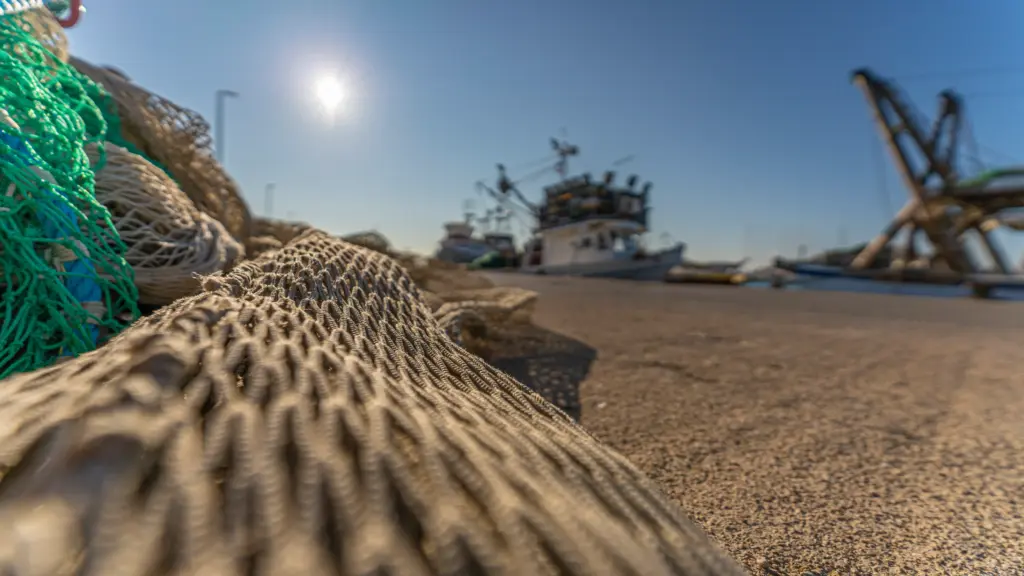
A look at the raw numbers reveals the full extent of the change. At the first fishermen’s meeting in 1996 in Medulin, the Croatian fleet still numbered an impressive 767 trawlers, 276 purse seiners, and nearly 15,000 smaller fishing boats. Even back then, scientists were urgently warning that the fleet exceeded the sea’s carrying capacity and were calling for more sustainable management.
These warnings have come true. Today, the once-proud fleet has dwindled to a fraction of its former size. Last year, Croatia had only 6,648 active fishing vessels—of which just 225 were longer than 15 meters.
A piece of culture is in danger of disappearing
The Croatian fishing industry stands at a historic crossroads. Reducing the fleet may be biologically necessary to save the Adriatic Sea from total collapse. But without a clear plan for preserving the craft of local fishermen for the next generation, an essential part of Croatia’s coastal culture and economy is at risk of crumbling away. When boats are scrapped today in exchange for subsidies, all that remains in the end is a sense of melancholy—and the question of where the fresh fish on our plates will actually come from during our next vacation.