Stay up to date – you can subscribe to our newsletter here

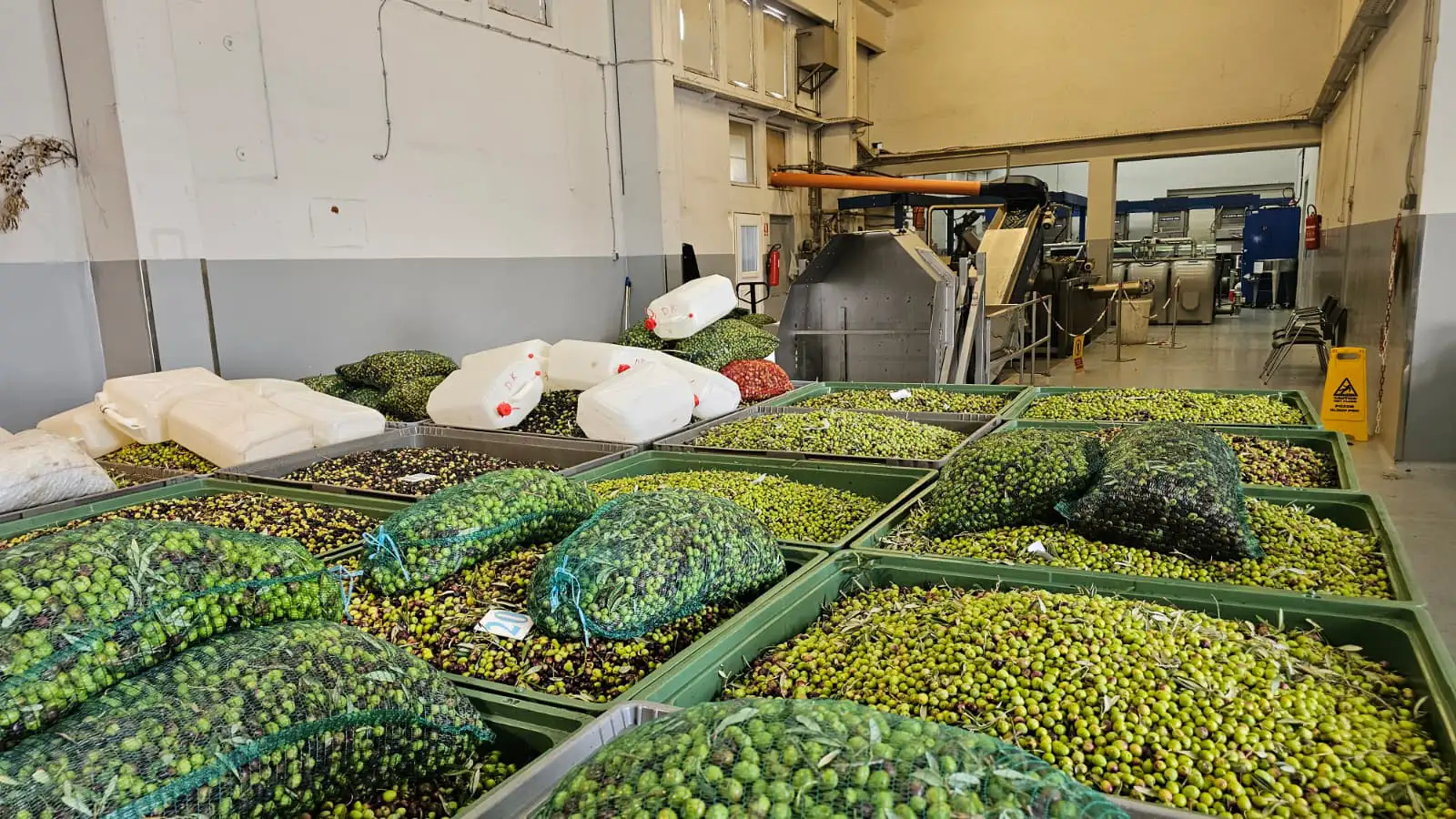
An exceptionally bountiful olive harvest threatens to turn into a disaster for Dalmatia’s farmers. Eight olive oil mills in the region between Omiš and marina are on the verge of closing. The reason: They no longer know what to do with the massive amount of olive pomace they’re producing.
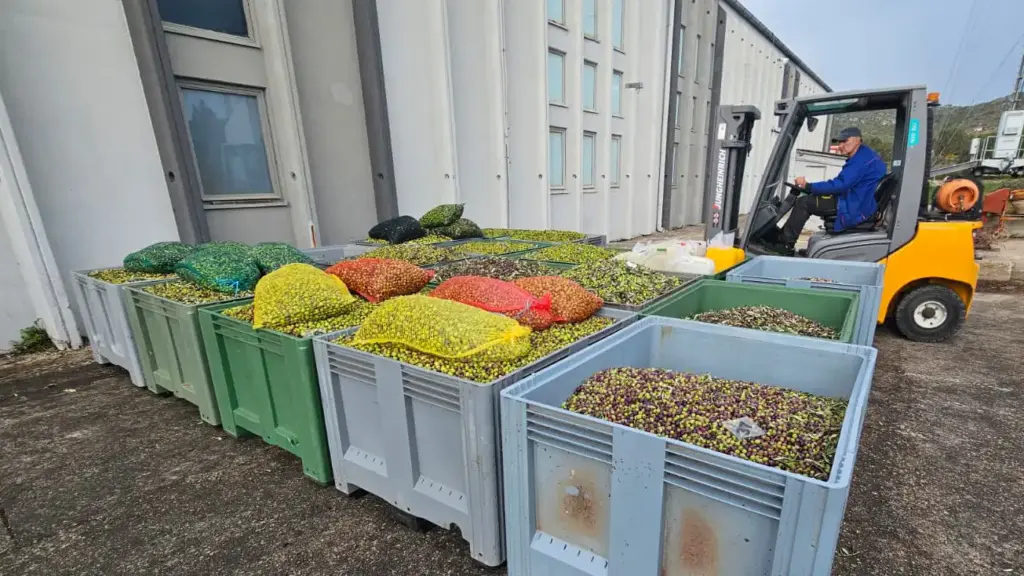
Instead of rejoicing over full nets, there is currently nothing but despair. This season, Croatia could end up with as much as 20,000 metric tons of olive pomace (the residue from pits, skins, and pulp). The mills’ storage and reception capacities are nearly exhausted.
Politics vs. Dalmatian Reality
Agriculture Minister David Vlajčić says mill operators have a responsibility: New regulations allow the material to be applied as compost, so they could have prepared in advance.
Local oil producers, however, dismiss this idea. The reality in Dalmatia is quite different: Fragmented farmland and rugged, steep terrain make the rapid distribution of these enormous quantities by truck practically impossible.

Time is running out
Since the harvest is still in full swing, the situation is critical. If the mills close, the olive farmers will be left with their crops—which means massive financial losses and a certain decline in the quality of the oil.
In the long term, producers are calling for the construction of regional processing centers for pomace, as has long been standard practice in other Mediterranean countries. For the current harvest, however, the authorities need to implement an immediate, unbureaucratic emergency solution to ensure that this record-breaking season does not end in a logistical disaster.