Stay up to date – you can subscribe to our newsletter here

Turquoise-blue water, cicadas in the pine forest, and a glass of wine at the port—that’s how most people picture the Croatian islands. But as soon as the last high-season ferry sets sail in the fall, a different reality sets in in many places: empty streets, closed konobas, and the question of who will keep the island communities alive in the long run.
This is exactly where the Croatian Ministry of Demography and Immigration is stepping in with a new initiative. Under the slogan “I Choose an Island” (Biram otok), a wide-ranging video campaign is running on social media through the end of December 2026, presenting a clear counterpoint to the mere vacation cliché: An island isn’t just a postcard scene for two weeks in August—it can be a real home—a place to work, start a family, and grow old.
“I Choose an Island”: An Honest Perspective Instead of Glossy Advertising
What sets this campaign apart from traditional promotional videos is its deliberately realistic approach. While the ministry emphasizes the cultural identity and unique quality of life on the Adriatic islands, it doesn’t shy away from acknowledging that everyday life far from the mainland comes with its own challenges. The goal is to speak openly about problems while also highlighting the positive changes that have already taken place in recent years.
To reach a younger audience in particular and convey the message credibly, the ministry brought a well-known figure on board: Croatian journalist, blogger, and influencer Domagoj Jakopović Ribafish. With his direct, down-to-earth manner, he accompanies people on the ground and shifts the focus away from tourist clichés toward real ways of life—for returnees as well as for families and professionals looking to make a fresh start.

Rab, Korčula, and Lastovo: Three Islands, Three Realities of Life
The campaign focuses on authentic stories and concrete demographic data from three very different archipelagos:
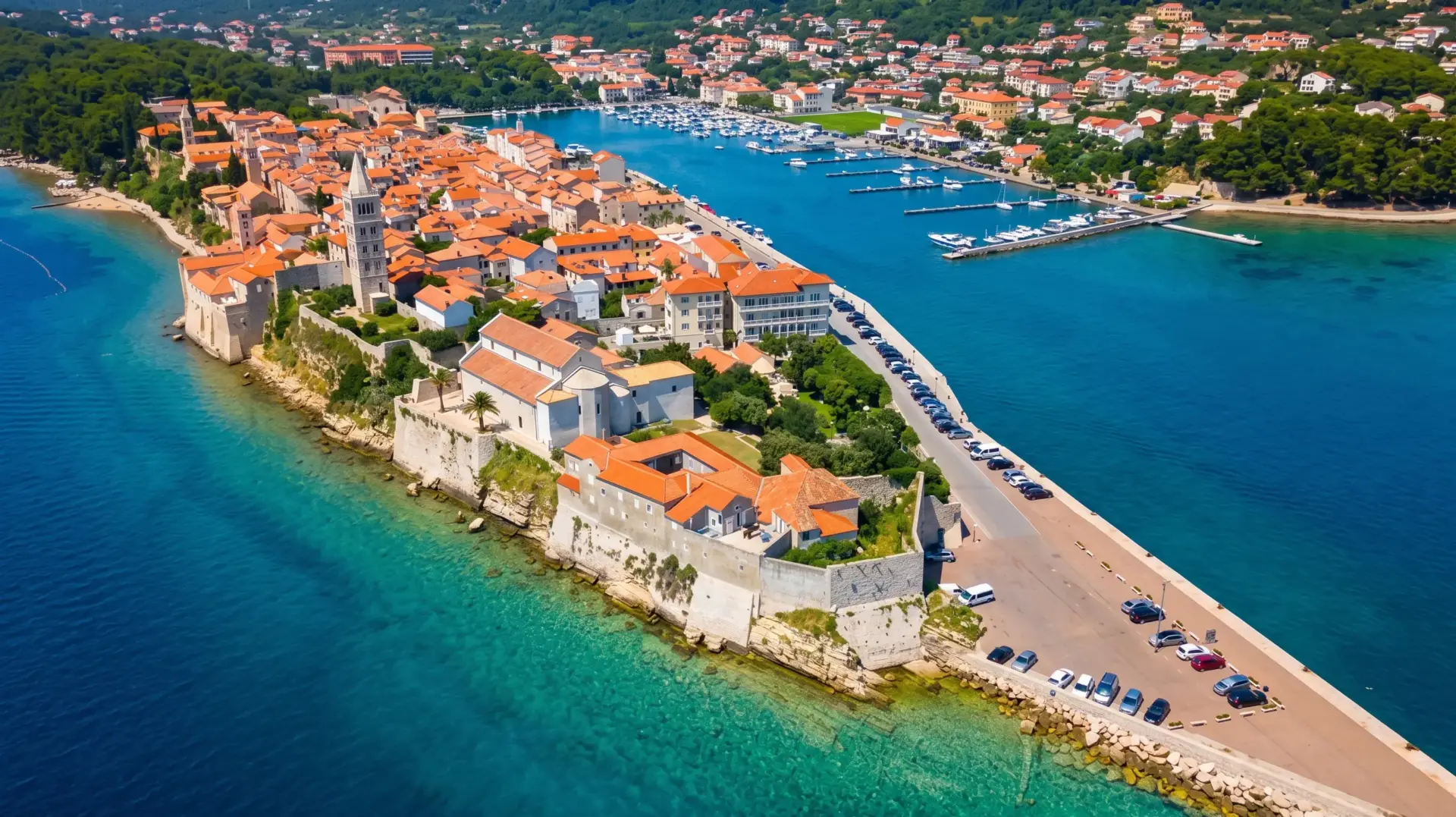
- Rab: Located in Kvarner Bay, relatively close to the mainland and well-connected, the island combines historical tradition with a vibrant infrastructure.
- Korčula: One of the larger islands in southern Dalmatia, with a strong cultural identity, wine and olive cultivation, and active communities that remain vibrant even in the off-season.
- Lastovo: One of Croatia’s most remote inhabited islands and, at the same time, a nature park—a symbol of both unspoiled quality of life and the logistical challenges of the outer archipelago.
At the local level in particular, it is clear that many island communities are no longer simply waiting for help from Zagreb, but are taking action themselves. The campaign specifically highlights local initiatives designed to tangibly improve life in the community:
- Financial assistance for newborns to help young parents get started
- Subsidies for preschools and childcare to help parents balance work and family life
- Targeted immigration incentives for skilled workers and returnees
- Direct support programs for young families, such as assistance with housing and living expenses
Between Dream and Reality: What Island Life Really Costs
As inspiring as the individual success stories may be, a look at the structural data clearly shows why living on an island remains a conscious choice. Current data, which is being discussed as part of the Croatian Island Movement (Pokret otoka) project, makes the difference precisely measurable for the first time: Public services in Croatian island municipalities cost about 29 percent more per capita than in comparable municipalities on the mainland.
From waste and wastewater management to medical care and energy and water infrastructure, the geographic location has an impact on nearly every item in the municipal budget. Added to this is the dependence on the weather: strong winds and a rough swell repeatedly paralyze ferry and catamaran service along the Adriatic Sea—a factor that may seem charming on vacation but requires careful planning in everyday work and school life.
An important ray of hope is now coming from Brussels: In its first official island strategy, the European Commission formally recognizes these specific “costs of island life” for the first time. This opens the door to more targeted funding and policy tools—it will now be crucial to see how consistently both the Croatian government and the island communities themselves take advantage of this opportunity.
The people who keep schools, businesses, clubs, and traditions alive there every day prove that the islands of the Adriatic are more than just a summer backdrop. Campaigns like “I Choose an Island” may not, on their own, make ferry schedules weatherproof or solve the housing crisis, but they do raise awareness of exactly what matters: A future on the islands takes shape where quality of life, affordable infrastructure, and genuine participation—especially for young islanders—go hand in hand.