Stay up to date – you can subscribe to our newsletter here

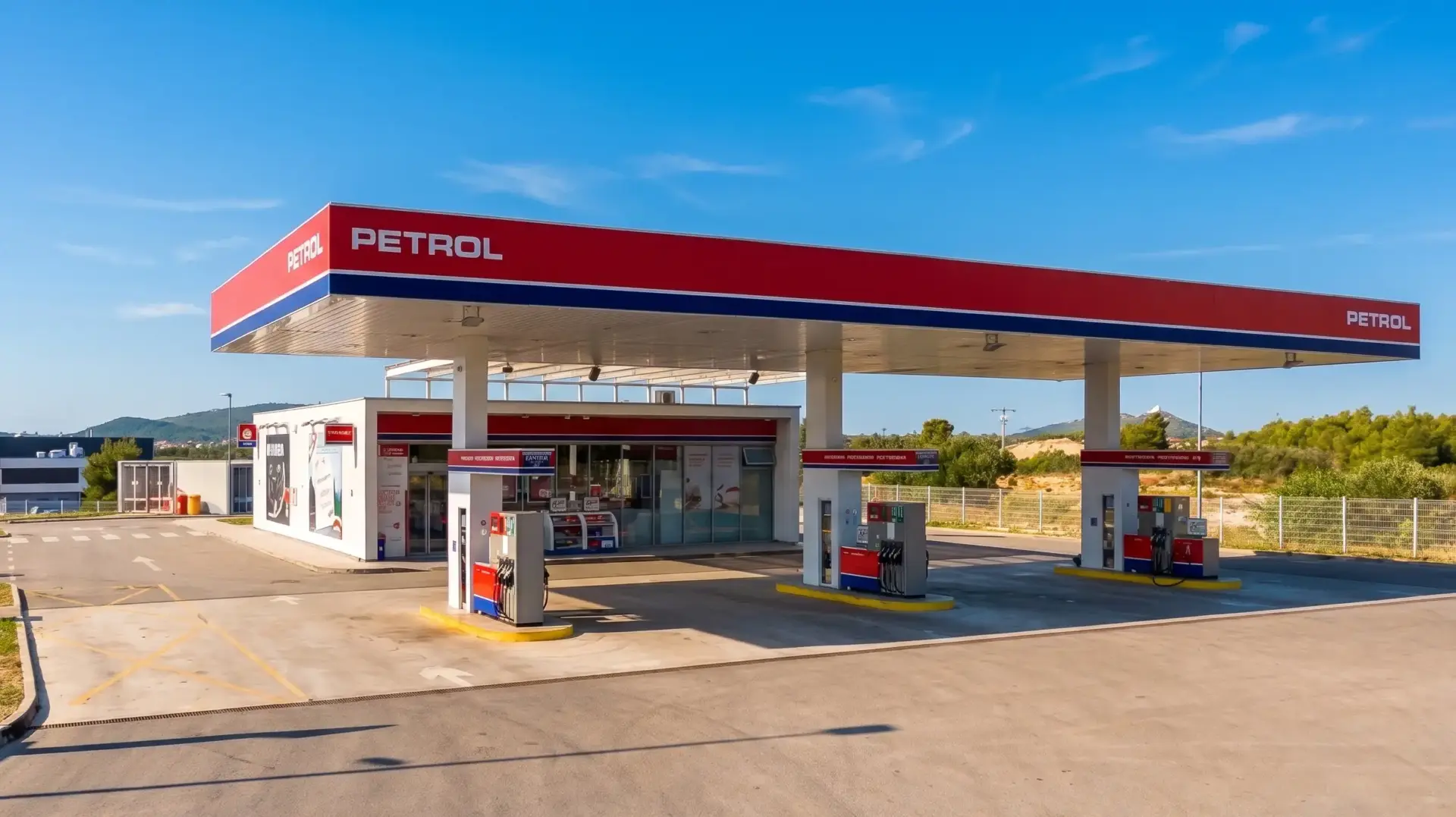
Just this past September 2026, the Slovenian energy company Petrol celebrated its 30th anniversary in Croatia—in fitting style with the opening of its 600th regional gas station in Poreč, Istria. Just two months later, there’s no trace of that celebratory mood left. On the contrary: The company is sounding the alarm and threatening to limit fuel sales and close unprofitable gas stations in Slovenia and Croatia.
For locals, commuters, and vacationers in Croatia, this raises a key question: How serious is the situation—and what does the conflict mean for your next fill-up on the Adriatic?
Record Revenue Meets Plunge in Profits
At first glance, Petrol’s financial results for the first nine months of 2026 look strong: Revenue climbed 18 percent to 5.3 billion euros, and fuel volume sold also rose by two percent to 3.08 million metric tons—sales increased by nine percent in Southeast Europe in particular.
Ultimately, however, profits were significantly lower. Net income plummeted by 22 percent to 106.4 million euros. For management, the main culprit is clear: government regulation of fuel prices in Slovenia and Croatia. While CEO Sašo Berger laments a significant mismatch between revenue growth and profitability, Supervisory Board Chair Vesna Južna uses even harsher words:
“Through inappropriate regulation of fuel prices, the government has put Petrol in a situation where higher sales can actually lead to even greater losses.”
To increase pressure on policymakers, a list of measures has already been prepared and is set to be presented at the next annual shareholders’ meeting. In addition to fuel rationing and possible station closures, Petrol is relying on legal measures: While two lawsuits totaling 177.2 million euros are pending against Slovenia, the Zagreb subsidiary is suing the Republic of Croatia for 60 million euros in damages.

Why the Conflict Hits Croatia Especially Hard
Petrol is no minor player in Croatia. Through its acquisition of the Croatian gas station chain Crodux, the company has expanded its market share from 13 to 23 percent and is now the country’s second-largest fuel provider, behind the domestic company INA. More than 200 gas stations across all Croatian counties and more than 2,200 jobs depend on the company.
There is a structural reason why government price caps hit Petrol harder than some of its competitors: The company does not operate its own refinery and must purchase all of its fuels on the open market. If the government-mandated retailer margins remain tightly capped, the company’s leeway shrinks drastically, especially at rural locations with lower sales volumes.
This inevitably evokes a sense of déjà vu: As early as December 28, 2022, Petrol closed all regulated Petrol and Crodux gas stations across the country for one hour at noon in protest against Croatian price regulation. Then as now, two conflicting interests are at odds—relief for motorists on the one hand, and the profitability of petroleum retailers on the other.
Here’s how fuel price regulation currently works in Croatia
The Croatian government sets maximum prices for standard fuels on a weekly basis (for seven days starting each Tuesday) by decree. This government-imposed cap is having a noticeable effect at the pump.
The key catch for everyday life—and at the same time the financial lifeline for corporations like Petrol—lies in the exceptions: The price caps apply exclusively off the highways and only to basic fuels.
On Croatian highways, fuel providers are free to set their own prices. Analyses show that gas stations at highway rest stops charge noticeably higher markups for gasoline than those off the highways—in October 2026, the difference averaged 19 cents per liter for gasoline and 22 cents for diesel. There is also no government price cap on premium fuels such as Petrol Q Max, which is why prices here are sometimes 50 cents or more per liter higher.
What Drivers and Travelers to Croatia Should Know Now
A nationwide fuel shortage is not expected in Croatia, even if the situation escalates, as major competitors such as INA, Tifon, Lukoil, Shell, and Adria Oil provide extensive coverage across the country. However, if Petrol were to actually close individual, less profitable locations off the main routes or restrict sales, this could have a noticeable impact regionally—for example, in rural areas in the hinterland or on smaller islands.
If you’re driving to Croatia now or in the coming months, you can save time and money by following three simple rules:
- Exit the highway to fill up: State-regulated price caps apply just a few kilometers off the toll roads. For a 60-liter tank of diesel, this can quickly save you over six euros per stop.
- Pay attention to the fuel nozzle: If you want the regulated price, you’ll need to choose Standard Eurosuper 95 or Standard Eurodiesel. Premium grades are priced freely and can exceed the cap by a significant margin.
- Keep an eye on Tuesday as the effective date: Since the Croatian government adjusts prices weekly on Tuesdays, it’s worth taking a quick look at the announced changes on Monday evening before embarking on longer trips.
Whether Zagreb and Ljubljana will meet Petrol’s demands or whether the company will follow through on its threats after the next annual shareholders’ meeting is likely to be decided in the coming months. Until then, filling up off Croatian highways will remain relatively inexpensive for drivers—as long as the nearest gas station is open.