Stay up to date – you can subscribe to our newsletter here

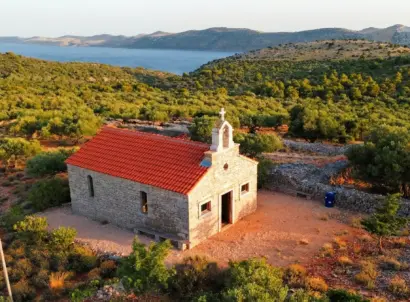
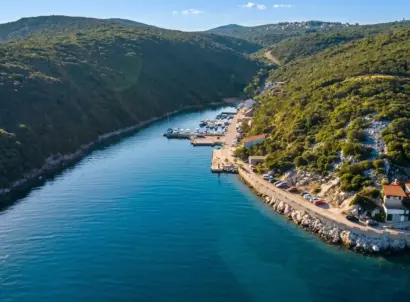
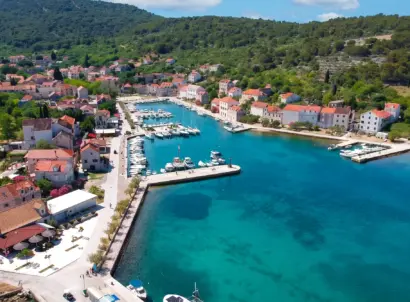
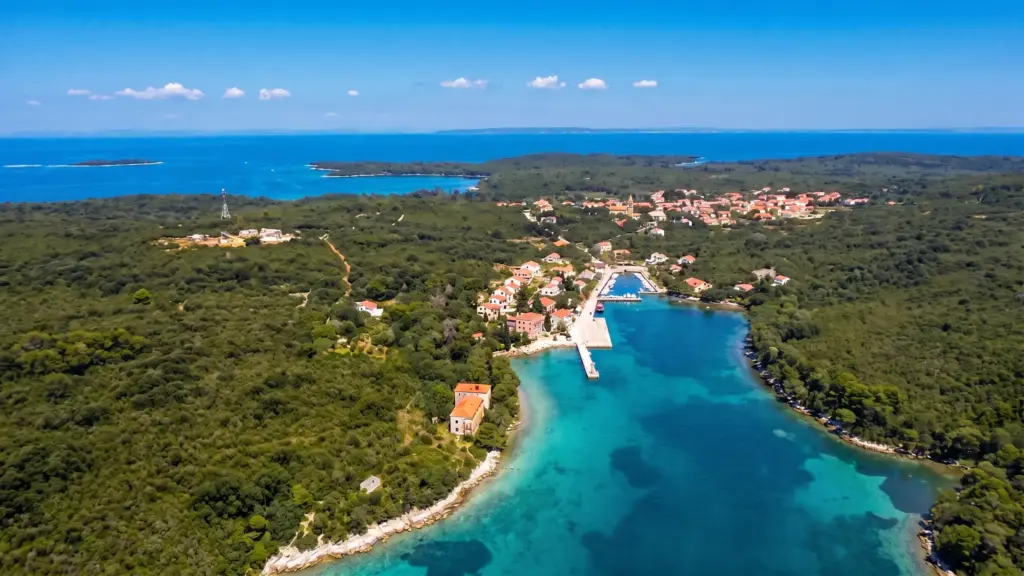
Anyone cruising through the Zadar archipelago in July or August will experience a picture-perfect Mediterranean scene: crystal-clear bays off Molat, relaxed evenings in the konobas of Veli Iž, and absolute silence all around the small island of Rava. But as soon as the last summer tourists leave and the autumn storms sweep across the Adriatic, a completely different reality emerges.
Denis Barić, an independent city council member in Zadar and president of the Croatian Island Parliament (Otočni sabor), suggests in an interview with the Zadarski List . His assessment of the situation in the Zadar City Council paints a picture of an archipelago that groans under the weight of its own popularity in the summer and is cut off from basic services in the winter.
The Summer Paradox: Water Shortages and an Ecological Time Bomb
To vacationers, island life in the height of summer seems carefree. Behind the scenes, however, local communities are grappling with two massive infrastructure problems at precisely this time of year, problems that are exacerbated by the influx of tourists:
- Acute water shortages during peak season: Many of the offshore islands still lack a continuous connection to the mainland water supply system. When thousands of visitors arrive in the summer to join the few hundred local residents, drinking water becomes the scarcest resource—with direct consequences for the residents’ quality of life.
- The Septic Tank Dilemma: Since a modern sewer and drainage system on the outlying islands is still a long way off, these communities rely on traditional septic tanks. Emptying them in a timely manner regularly reaches capacity limits in the summer. Barić unequivocally describes this situation as a “ticking time bomb for the environment.”
Although a study on the islands’ drainage system is already available, practical implementation can no longer be delayed. Under the new Croatian Islands Act, responsibility for such large-scale investments now lies primarily with Zadar County, which has established its own Islands Committee for this purpose.

Winter on Rava: When Even the Pension Stops Coming
Everyday life changes even more drastically when calm settles in during late fall. While courier services on the mainland deliver thousands of packages daily in the run-up to Christmas, receiving mail on the islands becomes a gamble.
According to Barić, the Croatian Post (Hrvatska pošta) treats its island branches like stepchildren: If the postal worker in charge goes on vacation or has days off, the branch is simply closed—without any replacement staff. This leads to absurd scenes at sea:
Packages on a Wild Goose Chase: Because no one was on the islands to receive the mail, mailbags sometimes spent days traveling back and forth from one island to the next on the scheduled catamaran service.
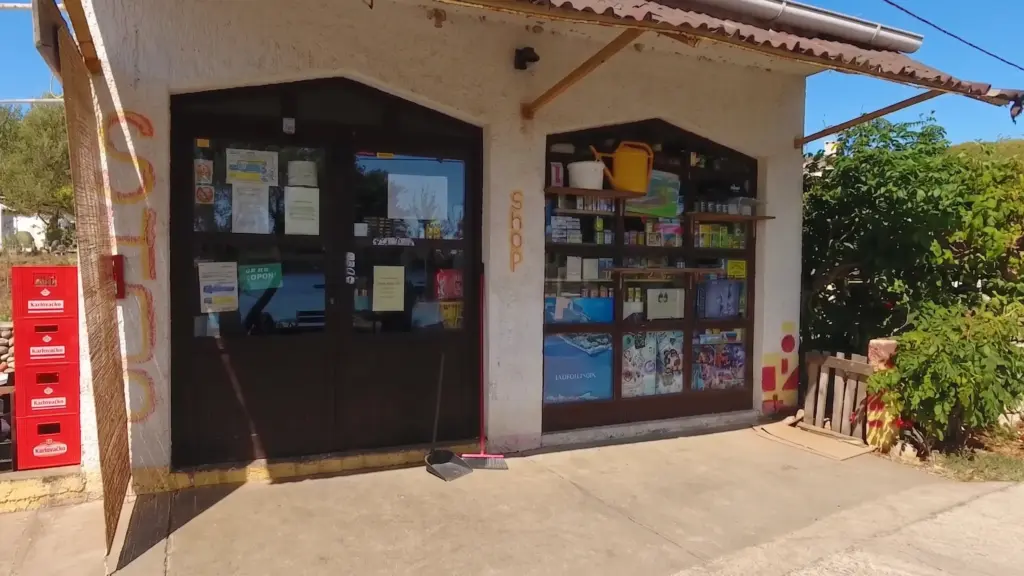
On the island of Rava, the post office is currently completely out of service. For the island’s residents—most of whom are elderly—this means not only a lack of mail but also a fundamental problem in their daily lives: they can neither pick up their mail locally nor receive their pension payments. When this is compounded by a storm lasting several days that cuts off ferry service to the mainland, their isolation is complete.
Between olive oil, squid fishing, and empty cultural centers
Anyone spending the winter on a small Adriatic island needs strong nerves and a sense of community. Since the majority of people spending the winter on many islands are seniors, there’s often a lack of social interaction beyond neighborhood get-togethers in the few open cafés and card games. While Advent markets, Carnival, or traditional “fishermen’s gatherings” provide some variety on the larger islands, many public buildings on the smaller islands stand empty during the winter.
“We urgently need more options, because we can’t just keep talking endlessly about the two major winter topics on the islands—olive cultivation and squid fishing,” Denis Barić sums it up.
To revitalize social life, the city of Zadar, together with the local island committees, has launched initial projects and applied for EU funding:
- Molat Island: The community center there has already been renovated on the outside; interior work is now underway as part of the “Arhipelogos” project.
- Veli Iž: A new regional ethnographic collection is being established in the historic 18th-century summer residence of the Fanfogna noble family to serve as a cultural gathering place.
Combating Out-Migration: What’s Changing Now
To ensure that the islands off Zadar do not become mere summer backdrops but remain vibrant communities year-round, local committees and the city administration are implementing targeted countermeasures:
- Opportunities for Young Families: In addition to childbirth grants, dedicated preschool groups and kindergartens were established for the first time this year on some of the islands.
- Health Care & Nursing: Since the population is heavily aging, financial incentives are intended to attract new medical personnel to the islands and retain existing doctors. In addition, the program for home care for elderly island residents will continue.
- Roads and Fire Safety: A new concessionaire will be specifically responsible for maintaining the island’s roads going forward. In addition, new dirt roads will be constructed to serve as firebreaks.
What Travelers and Boaters Can Take Away From This
A look behind the summery postcard facade changes your perspective on your own vacation. Anyone visiting the islands in the Zadar archipelago is a guest in a fragile ecosystem. Conscious, frugal use of fresh water on land and at the port, as well as respect for the local infrastructure, directly help the communities during the summer. And those who visit the islands during the off-season not only experience the most authentic Dalmatia but also support the very small cafés and businesses that keep island life going even after summer ends.