Stay up to date – you can subscribe to our newsletter here

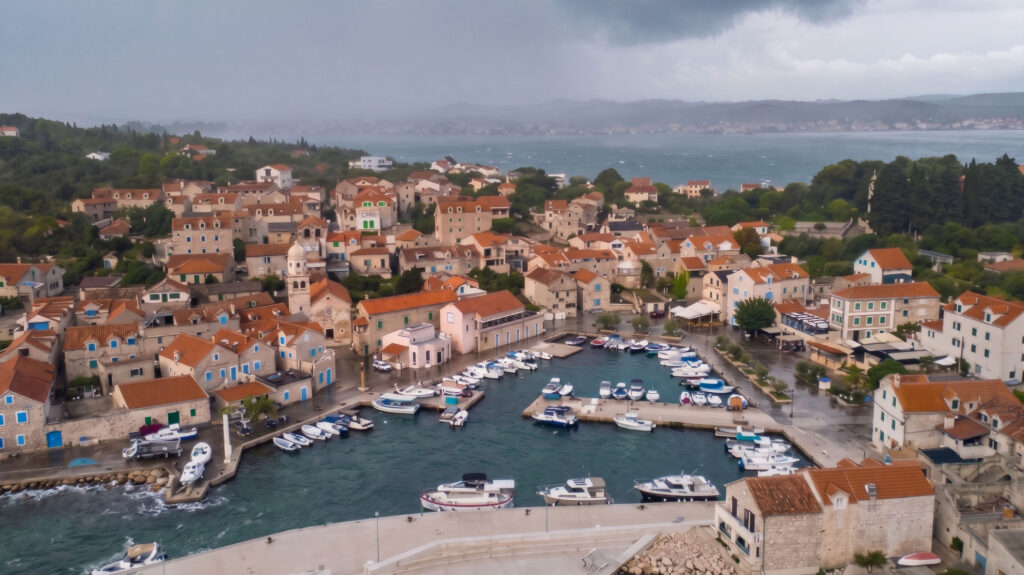
Anyone who sails past the picturesque islands of the Šibenik archipelago in the summer or moors in the idyllic ports of Prvić and Zlarin will see one thing above all else: a Mediterranean paradise. But when the season ends, the tourists leave, and the Jugo picks up, island life reveals its true, often unforgiving face. A recent incident in Vodice painfully illustrates the hardships the remaining island residents—often elderly people—must endure just to manage the simplest tasks of daily life.
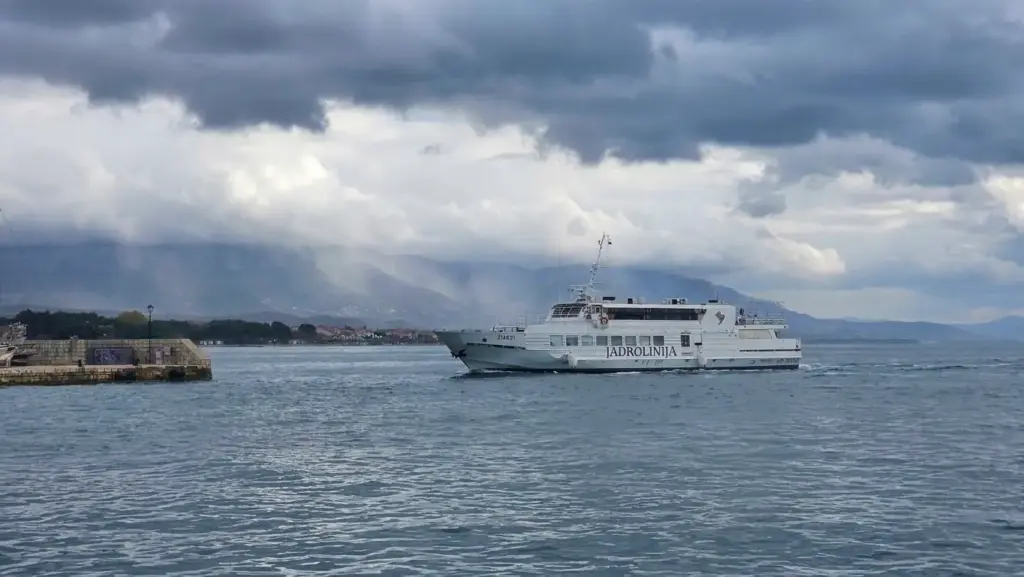
It was supposed to be just a short, everyday outing. Last Monday, a group of retirees set out from the car-free island of Prvić for Vodice. The crossing on Jadrolinija Line 505 takes just ten minutes. The passengers’ goal: to pick up much-needed medication at the pharmacy and do a little shopping. Things that people on the mainland can just pop out to do around the corner, but which for islanders in winter require a journey that feels like half a trip around the world and careful planning.
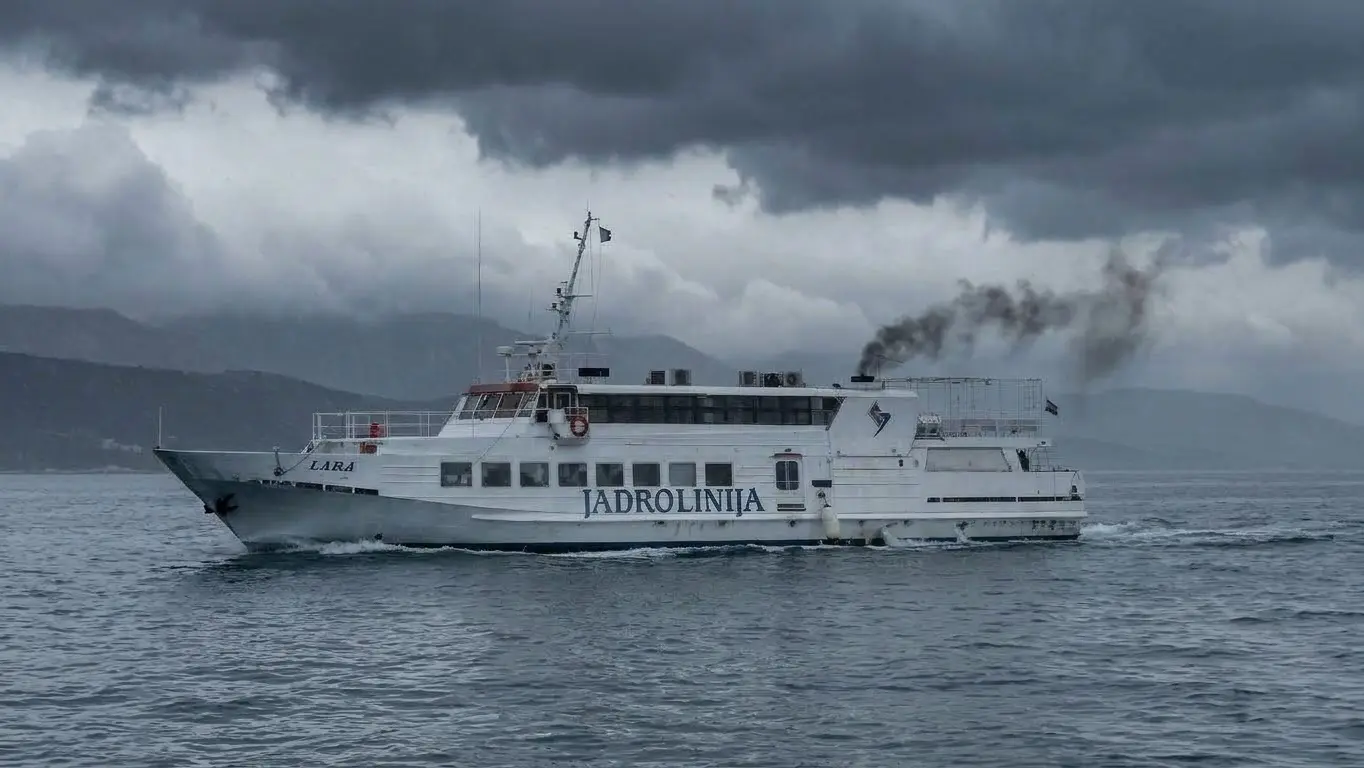
Shortly before 11 a.m., the ship “Lara” docked in Vodice amid a moderate southerly wind. The seniors had a clear plan: run some errands and return home on the same ship at noon. As they disembarked, some passengers even asked the crew explicitly whether the ship would return on schedule at noon. The response was a vague smile.
When the Lifeline Suddenly Snaps
When the elderly couple returned to the harbor wall in Vodice at 12 noon sharp with their shopping bags, they could hardly believe their eyes: The mooring was empty.
Shortly after the passengers disembarked, the captain had decided that the wind was too strong and that remaining at the mooring in Vodice was too dangerous. The ship had turned toward the emergency port in Zlarin. The return trip was canceled—and the seniors were stranded on the mainland in inclement weather. Waiting until the next scheduled departure at 6 p.m. was not an option for many.
Of course, at sea, the safety of the crew and the ship always comes first. Anyone who has sailed the Adriatic knows that. But what completely failed here was communication. A brief, clear announcement from the crew as passengers were disembarking—“Attention, the weather is getting worse; we’ll probably have to set sail again right away”—would have given people the chance to change their plans or take the bus to Šibenik instead.

Expensive taxis and impassable waterfront promenades
The stopgap solution for the stranded retirees? A private water taxi. Instead of the free crossing to which they’re legally entitled as island seniors, they had to pay 20 euros out of their own pockets just to get home at all. By Croatian retirement standards, that’s a lot of money.
But the odyssey didn’t end at the local dock. Since the waterfront promenade in Prvić Luka has been inaccessible to boats for over a year due to endless and repeatedly delayed construction work, the water taxi docked in Šepurine. There was no organized transportation arranged for the rest of the journey in the form of a minibus. The seniors had to make their own way across the island with their groceries and relied on the spontaneous help of neighbors with electric carts.
A bureaucratic slap in the face
And the official response? Jadrolinija expressed regret for the inconvenience and cited safety concerns. However, financial compensation for the expensive water taxi was blocked by bureaucratic red tape: According to transportation guidelines, only passengers who have paid for a ticket are eligible for a refund. Island retirees who are entitled to a free ride simply come away empty-handed in the event of a cancellation and are left to cover the emergency costs themselves.
We love the Croatian islands for their peace and seclusion. But we must not forget that these places are not merely summer backdrops; they are home to the people who keep these islands alive in the first place. They deserve a reliable infrastructure, honest communication, and genuine respect. Anyone living on a Croatian island in the winter already needs a thick skin—it shouldn’t be further strained by bureaucracy and indifference.